French music is extraordinary, and it's one of the best ways to absorb the language naturally. A curated playlist for adult learners who want real French, not nursery rhyme French.
So you want to learn French. Or maybe you already speak a little, but your vocabulary still peaks at bonjour, merci, and whatever you half-remember from that one semester in high school.
Good news: you don’t have to suffer through Une Souris Verte again. (A green mouse. With a rotten tail. You’re welcome for that earworm.)
French music is extraordinary, layered, poetic, sometimes heartbreaking, occasionally ridiculous, and it’s one of the best ways to absorb the language naturally. Here’s a curated playlist for adult learners who want real French, not nursery rhyme French.
Jacques Brel, For the Dramatics
If French had a patron saint of theatrical suffering, it would be Jacques Brel. This Belgian-born genius wrote and performed songs so emotionally intense they should come with a warning label.
Why he’s great for learning French: Brel’s diction is impeccable. He articulates every syllable like his life depends on it, because in his songs, it usually does. His vocabulary is rich but not obscure, and his storytelling is so vivid you almost don’t need a translation.
Start with:
- Ne Me Quitte Pas, the ultimate breakup song. You will learn every possible way to beg someone not to leave you. Useful? Hopefully not. Linguistically rich? Absolutely. ▶ Watch on YouTube
- Amsterdam, a portrait of a port city full of sailors, herring, and existential dread. Geography lesson included.
- Les Bourgeois, a darkly funny critique of the bourgeoisie. Great for learning social vocabulary and mild Belgian insults.
Warning: After three Brel songs, you may feel the inexplicable urge to smoke a cigarette in the rain while staring at the Seine. This is normal.
Édith Piaf, For the Accent (and the Courage)
Let’s be honest: Édith Piaf’s accent is not beginner territory. The Parisian working-class accent she carried, rolling her rs, swallowing certain syllables, stretching vowels in unexpected places, is gloriously authentic and absolutely bewildering to the uninitiated.
Why she’s great for learning French: Precisely because of that accent. Once you can follow Piaf, you can follow anyone. She’s the linguistic equivalent of running in sand, harder than the real thing, but you’ll be stronger for it. And her vocabulary is accessible: simple words, direct emotions, no academic pretension.
Practical tip: Get the lyrics. Non-negotiable. Print them, highlight them, read along. You’ll start hearing things you couldn’t before.
Start with:
- La Vie en Rose, possibly the most famous French song ever recorded. Three minutes. About thirty unique words. Perfect. ▶ Watch on YouTube
- Non, Je Ne Regrette Rien, great for learning the negative form (ne… rien, ne… pas) and for feeling invincible on a Monday morning. ▶ Watch on YouTube
- Milord, storytelling at its finest. A woman watching a sad English lord on the street and inviting him to dance. Very French.
Fun fact to impress your French friends: Piaf means “sparrow” in Parisian slang. Now you know two things.
Florent Pagny, For the Voice and the Vocabulary
Florent Pagny is one of those artists who somehow managed to be both a mainstream pop star and a genuinely excellent singer. His range is staggering, his articulation is crystal clear, and his repertoire spans pop, chanson, and tango.
Why he’s great for learning French: Pagny sings slowly enough to follow, clearly enough to transcribe, and emotionally enough to actually care. His vocabulary sits comfortably in everyday modern French, the kind you’ll actually use.
Start with:
- Savoir Aimer, a meditation on love and acceptance. Gentle melody, clean diction, beautiful vocabulary. One of the most played French songs of the 1990s.
- Chanter, uplifting, simple, and incredibly singable. Excellent for learning the infinitive form.
- N’importe Quoi, more upbeat, great for colloquial expressions. ▶ Watch on YouTube
Bonus: Pagny now has long hair and lives on a ranch in Patagonia part of the year. He’s essentially the French equivalent of a country singer who went off-grid. Respect.
Feu! Chatterton, For the Poets
If you want to understand why French people are so obsessed with literature, listen to Feu! Chatterton. Named after the tragic English poet Thomas Chatterton, this Parisian indie rock band writes lyrics that feel like they belong in a 19th-century novel, except they’re set to genuinely excellent music.
Why they’re great for learning French: They will expand your vocabulary considerably. Words like mélancolie, abîme, vertiges, brûlures, you won’t find these in a phrasebook. But you’ll feel them. And once you feel a word, you remember it.
Start with:
- Souvenir, haunting and beautiful. A meditation on memory. The kind of song that makes you want to write a letter by hand.
- La Malinche, references Mexican history from a French perspective. Unexpected and extraordinary.
- Côté Cour, theatrical and intense. Great for learning formal register vocabulary.
Honest warning: Feu! Chatterton will make your French sound extremely literary and slightly melancholic. Your French friends will either be very impressed or mildly concerned about you.
Mylène Farmer, For the Surrealists
Mylène Farmer is an institution. A reclusive Quebec-born, Paris-based pop goddess who has been releasing cryptic, baroque, wildly successful music since the 1980s. Her videos are short films. Her lyrics are riddles. Her concerts are spectacles.
Why she’s great for learning French: Farmer’s French is sophisticated, poetic, and sometimes deliberately obscure, which means learning her lyrics is genuinely challenging and extremely rewarding. She uses archaic vocabulary, literary references, and invented imagery that will push any learner beyond the comfort zone.
Start with:
- Sans Contrefaçon, her most tender song. A meditation on identity and authenticity, with vocabulary that is poetic yet surprisingly accessible. ▶ Watch on YouTube
- Libertine, her breakthrough hit. A historical fantasy about an 18th-century libertine. Period vocabulary, magnificent excess.
- Désenchantée, a generational anthem of disillusionment. More direct vocabulary, universal emotion.
Cultural note: In France, saying you love Mylène Farmer is a personality statement. Expect strong opinions from everyone around you.
François Feldman, For the Soul of the 80s
François Feldman is one of those artists that every French person of a certain generation knows by heart, yet he remains almost entirely unknown outside France. A singer-songwriter with a soulful voice, a gift for simple but deeply felt lyrics, and a sound that captures something very specific about late 1980s France.
Why he’s great for learning French: His vocabulary is everyday, warm, and human. No obscure words, no literary acrobatics, just clear, beautifully articulated French that goes straight to the heart. His diction is immaculate. You will understand every word.
Start with:
- Petit Frank, a heartbreaking portrait of a young man lost to drugs. Simple words, enormous emotion. ▶ Watch on YouTube
- Joy, pure joy, as the title suggests. Upbeat, luminous, and impossible not to sing along to. ▶ Watch on YouTube
Why he matters: Feldman is a gateway drug. Once you discover him, you’ll want to explore the entire French pop universe of that era, Goldman, Cabrel, Souchon. All excellent for learning. All wonderful.
Bonus Round, Honorable Mentions
- Stromae, Belgian, bilingual soul, writes about depression, loneliness, and absent fathers in the catchiest possible way. Papaoutai will ruin and rebuild you.
- Barbara, the other grande dame alongside Piaf. Darker, more literary, unforgettable. Nantes will make you cry even if you don’t understand a word.
- Serge Gainsbourg, brilliant, provocative, occasionally unprintable. Not for the faint-hearted, but extraordinary for understanding French wordplay and double entendre.
How to Actually Use These Songs to Learn
- Listen first, without lyrics. Just absorb the sound, the rhythm, the emotion.
- Get the lyrics. Genius.com and AZLyrics both have French song lyrics. Print them.
- Listen again, reading along. Mark words you don’t know.
- Look up those words in context, not just the dictionary definition, but how they’re used in the song.
- Sing along. Yes, out loud. Even badly. Especially badly. Your pronunciation will improve faster than any app can manage.
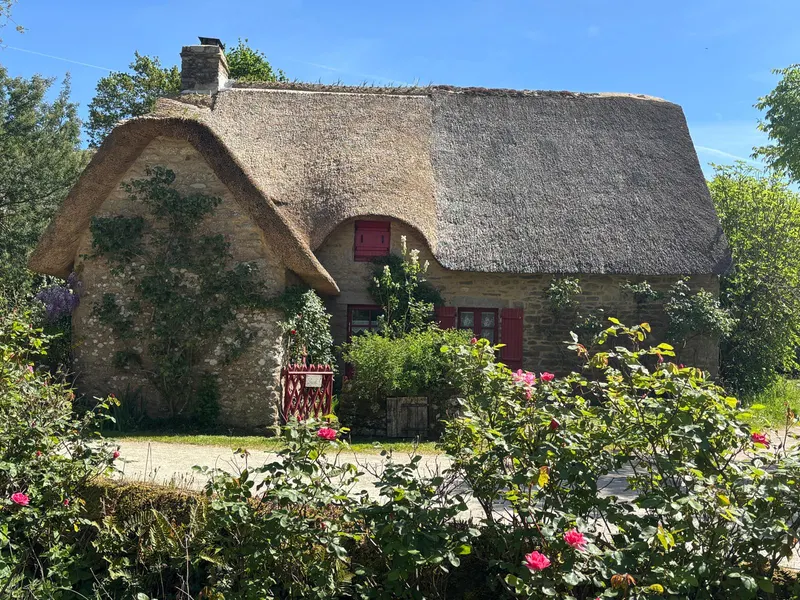
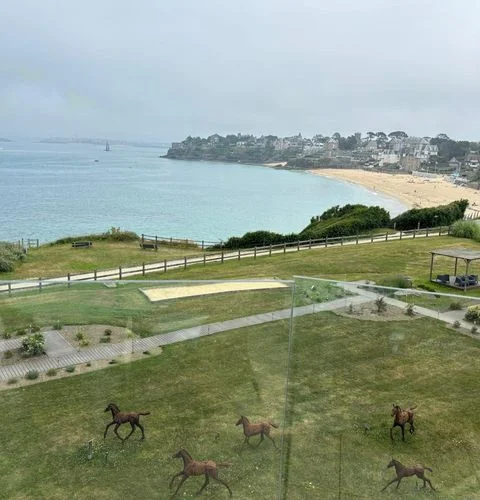
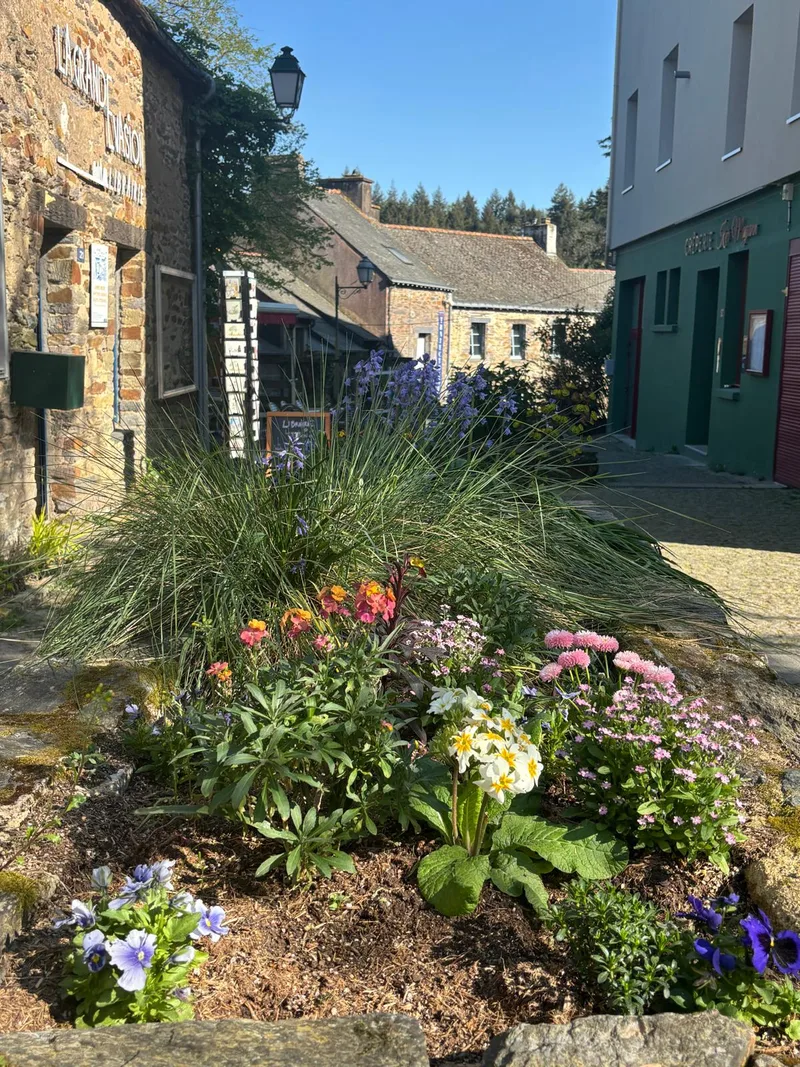
- Come to Brittany. Practice on the locals. They’ll appreciate the effort, I promise.
Bonus tip from your driver-guide: if you want to hear French spoken at its most beautiful, come to Brittany. We speak slowly, clearly, and with great affection for our vowels. It’s practically a language lesson with better scenery.