Discover Brittany's Celtic apple heritage: health benefits of traditional Breton cider, apple cider vinegar & heirloom varieties. Ancient wisdom from France's orchard heartland.
Brittany’s Celtic heritage extends beyond standing stones and coastal legends, it lives in the region’s ancient apple orchards, where traditional varieties have flourished for over a millennium. Breton farmers have perfected the art of transforming these exceptional apples into artisanal cider and vinaigre de cidre that offer remarkable health properties alongside the authentic taste of Brittany’s terroir.
The Breton Apple: Heritage Varieties & Exceptional Health
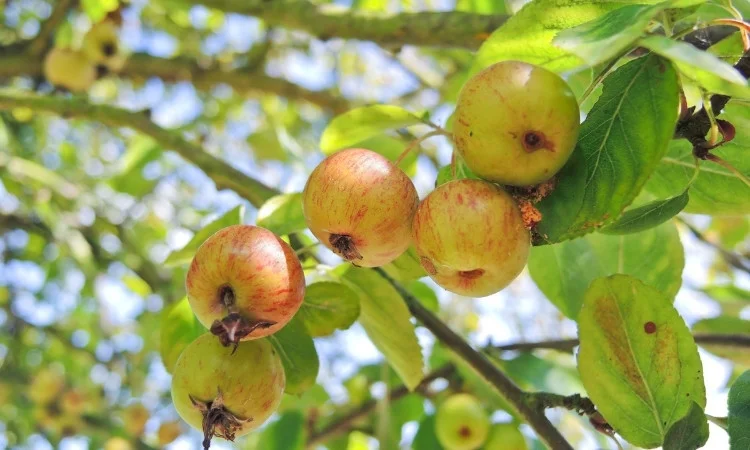
Traditional Breton apple cultivation represents centuries of agricultural wisdom passed down through farming families. Unlike standardized commercial varieties, Breton heritage apples encompass diverse classifications: acidic, bitter-sweet, and sweet. Each contributes unique characteristics to cider production and offers a distinct nutritional profile.
The Atlantic climate creates ideal conditions for apple cultivation, producing fruit with superior antioxidant content. Breton terroir, shaped by maritime influences and mineral-rich soils, concentrates beneficial compounds including polyphenols, quercetin, and pectin. Many Breton orchards maintain organic or traditional practices, avoiding synthetic treatments and allowing beneficial microorganisms to thrive naturally on fruit skins.
These heirloom varieties contain significantly higher levels of antioxidants than modern commercial apples. The diversity of Breton apple genetics, preserved through family orchards and artisan cidreries, represents invaluable agricultural heritage with tangible health advantages for those who consume products made from these exceptional fruits.
Cidre Breton: A Celtic Health Tradition
Ancient Celtic fermentation wisdom flows through every bottle of authentic Breton cider. Traditional production methods, refined over generations, create beverages rich in beneficial properties beyond simple refreshment.
The fermentation process transforms apple sugars into a naturally probiotic beverage supporting digestive health and gut microbiome diversity. Breton cider’s lower alcohol content compared to wine (typically 2-5%) makes it gentler on the digestive system while preserving beneficial compounds destroyed in higher-alcohol fermentations.
Traditional pairings reveal deep cultural knowledge: cidre with galettes de sarrasin (buckwheat crepes) creates digestive harmony, the cider’s acidity balancing the galette’s hearty texture. This combination, served in every authentic Breton creperie, represents culinary wisdom about optimal digestion.
Breton cider differs distinctly from Norman styles: lighter, more aromatic, often more delicate. The AOC Cornouaille recognition protects traditional Breton production methods and terroir characteristics, ensuring authenticity for discerning consumers seeking genuine artisanal quality.
The Cider Tax That Built Brittany’s Parliament
Here’s a delicious piece of Breton history: the magnificent Parlement de Bretagne in Rennes, one of France’s most spectacular 17th-century buildings, was largely financed by taxes on cider! Bretons consumed such impressive quantities of their beloved cidre that the tax revenue became a major source of funding for this architectural masterpiece.
Today, when you admire the Parlement’s ornate façade in Rennes’ historic center, remember: it stands as a monument to Brittany’s enduring love affair with apple cider. The Bretons literally built their capital on apples! 🍎
This speaks volumes about cider’s central role in Breton culture. It wasn’t just a drink, it was (and remains) the social lubricant of Breton life, consumed daily with meals across all social classes.
Vinaigre de Cidre Breton: Traditional Remedy
Breton households have valued apple cider vinegar as a health remedy for generations, long before modern wellness trends discovered its benefits. This traditional knowledge, passed mother to daughter through farming families, recognized vinaigre de cidre’s therapeutic properties centuries ago.
Digestive health stands foremost among traditional uses. Breton custom involves diluting a tablespoon in water before meals to stimulate digestive enzymes and support stomach acid balance. The acetic acid and beneficial bacteria created during artisanal fermentation promote healthy gut flora essential for overall wellness.
Natural antimicrobial properties made cider vinegar invaluable in Breton kitchens for food preservation and household cleaning. Its ability to regulate blood sugar levels, though understood intuitively rather than scientifically by traditional users, explains why Breton farmers often consumed diluted vinegar throughout workdays requiring sustained energy.
Artisanal Breton production differs fundamentally from industrial vinegar. Small-batch makers age their vinaigre de cidre in oak barrels, developing complex flavor profiles and preserving beneficial compounds lost in rapid commercial production. The “mother”, that cloudy sediment in quality vinegar, contains concentrated beneficial bacteria and enzymes prized by traditional Breton producers.
Traditional Breton recipes incorporate cider vinegar into salad dressings, marinades for local pork and seafood, and preservation of seasonal vegetables. This culinary integration ensured regular consumption of vinegar’s health benefits through everyday meals rather than as isolated supplements.
Brittany’s Cider Route: Authentic Experiences
Discovering authentic Breton cider culture requires venturing beyond tourist circuits into the working landscapes where family traditions continue. The regions of Cornouaille around Quimper and Fouesnant near Concarneau concentrate traditional cidreries where passionate producers welcome visitors into their craft.
Meeting Breton cider makers reveals generations of accumulated knowledge. Many cidreries operate as family businesses, with current producers representing the fourth or fifth generation managing orchards planted by great-grandparents. These artisans explain variety selection, fermentation timing, and bottling techniques refined through decades of experimentation and tradition.
Seasonal apple harvest (typically September through November) offers extraordinary experiences for visitors interested in agricultural authenticity. Some cidreries welcome guests to participate in traditional harvest methods, understanding how manual selection and gentle handling preserve fruit quality essential for premium cider.
Lambig: Brittany’s “Calvados” (But Don’t Call It That!)
Welcome to the wonderfully complex world of French AOC regulations! Brittany produces an exceptional apple brandy through the same double-distillation process as Calvados, aged in oak barrels, equally refined, equally delicious. But here’s the twist: because “Calvados” is a protected Norman AOC, Brittany’s version must be called Lambig (from the Breton “lamm” meaning “a leap”).
Same artisanal craftsmanship, same centuries-old tradition, different name, simply because we’re on the Breton side of the border! This linguistic gymnastics perfectly illustrates France’s intricate terroir protection system.
When tasting lambig in a Breton cidrerie, you’re experiencing the region’s pride: a spirit that’s distinctly ours, with its own character shaped by Breton soil, climate, and Celtic stubbornness. The subtle differences? Breton producers will passionately explain that lambig often has a slightly different aromatic profile due to Brittany’s maritime climate and apple varieties.
Pommeau breton represents another specialty, a fortified apple aperitif combining fresh apple juice with lambig, aged in oak to create a sophisticated drink balancing sweetness and complexity. Each cidrerie’s pommeau reflects house style and terroir characteristics.
The Breton Art of Cider Tasting
Authentic Breton cider tasting follows traditions distinct from wine culture. The bolée, traditional ceramic bowl, remains the proper vessel in Breton creperies and cidreries, its wide mouth releasing aromatic compounds while the bowl shape fits comfortably in hand during long meals.
Proper serving temperature matters enormously. Breton cider should be served cool (8-10°C) but not ice-cold, which would suppress delicate aromatics. Quality artisanal cider reveals complexity impossible in mass-produced versions: subtle apple variety notes, terroir minerality, balanced acidity.
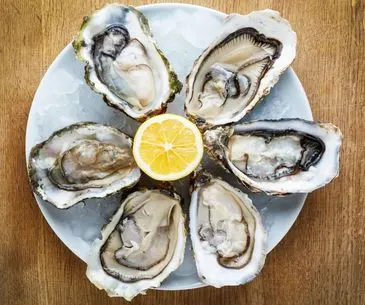
Perfect pairings extend beyond galettes. Fresh Breton seafood, oysters from Cancale, scallops from the Bay of Saint-Brieuc, harmonizes beautifully with brut (dry) cider. The classic kouign-amann pastry, rich with salted butter, balances perfectly with demi-sec (semi-dry) cider cutting through butter’s intensity.
Distinguishing quality artisanal Breton cider requires attention to several factors. Look for natural carbonation (gentle bubbles from bottle fermentation), slight cloudiness indicating unfiltered production, complex apple aromatics beyond simple sweetness, and designation of specific Breton terroir on labels.
Sustainable Breton Apple Culture
Traditional Breton orchard management embodies sustainable agriculture principles developed long before modern environmental movements. High-trunk orchards (vergers haute-tige) allow livestock grazing beneath trees, creating integrated farming systems where animals fertilize naturally while controlling grass growth.
Preservation of heritage apple varieties represents crucial biodiversity conservation. Many heirloom Breton apples nearly disappeared during industrialization, saved only through passionate artisan producers maintaining small populations. These varieties offer genetic diversity essential for adapting to climate changes and resisting diseases.
Small-scale artisan producers operate fundamentally differently from industrial cider companies. Family cidreries typically manage fewer than ten hectares, hand-harvest fruit, and sell directly to local restaurants and consumers. This human-scale production preserves traditional knowledge, supports rural economies, and maintains landscape diversity impossible in monoculture industrial orchards.
Experience Celtic Apple Wisdom
Breton apple culture embodies centuries of Celtic wisdom about this extraordinary fruit. Through private visits to family-run cidreries, tastings with passionate artisans, and walks through historic Breton orchards, travelers discover how Brittany’s apple heritage combines authentic tradition with genuine wellness benefits, far from the tourist trail.
Understanding the health properties of Breton apples, cider, and vinegar adds depth to gustatory pleasure. Each glass of artisanal cidre, each dose of traditional vinaigre de cidre, connects you to generations of Breton agricultural knowledge refined through observation and experience.
The Return of Breton Wine: A Renaissance Story
And here’s a tantalizing preview of Brittany’s agricultural renaissance: after centuries of absence, wine production has returned to Breton soil! Climate evolution and passionate vignerons are reviving an ancient tradition that predates the cider era. But that remarkable story, complete with new Breton AOC vineyards, pioneering winemakers, and exceptional terroir surprises, deserves its own dedicated article.
Coming soon: “Brittany’s Wine Renaissance: When Celtic Terroir Meets Modern Viticulture”
Explore Brittany’s authentic cider route with Bellidays. Private tours include family cidreries, artisan tastings, and encounters with Breton producers preserving Celtic apple traditions in Cornouaille, Fouesnant, and beyond. Contact us to design your personalized Breton gastronomic journey.