Galettes, oysters, kouign-amann, salted butter, cider, and far more besides. A licensed private guide with 17 years in Brittany tells you exactly what to eat, where, and why it matters.
I am going to say something that will irritate a few Parisian food critics: Breton cuisine is one of the most honest food cultures in France.
Not the most refined. Not the most complex. But honest, in the deep sense of the word. Every ingredient has a provenance. Every dish has a reason. The buckwheat in the galette grows in the Breton soil. The oysters come out of the bay you can see from the restaurant window. The salt on your butter was raked by hand from a marsh ten minutes down the road. Brittany does not do gastronomy for the sake of impressing you. It does it because this is what the land and the sea produce, and the Bretons have always known how to use it well.
After 17 years guiding travelers through this region, I have eaten my way through most of it. Here is what I would tell a friend before their first visit.
The Galette: Get This Right First
The galette de sarrasin is the foundation of Breton food culture, and it is frequently misunderstood by visitors who confuse it with the sweet crepe.
They are not the same thing.
The galette is made from buckwheat flour, which gives it a distinctive grey-brown color, a nutty, slightly earthy flavor, and a texture that holds its shape rather than collapsing into softness. It is savory. It is served flat, folded into a square around its filling, on a plate with a pat of salted butter melting into the crisp edges. The classic filling is the complete: ham, egg, and melted cheese. Simple, and extraordinary when done well.
And here is the thing about galettes: the quality varies enormously. A great galette, made from good buckwheat flour, cooked on a seasoned cast-iron billig at the right temperature by someone who has been doing this for thirty years, is one of the finest things you will eat in France. A mediocre galette, made from industrial flour in a tourist creperie near the ramparts of Saint-Malo, is a disappointment. My rule: the further from the main square, the better the galette. Ask me and I will tell you exactly where to go.
The sweet crepe comes after. Thinner, paler, made from wheat flour, filled with salted butter and sugar, or buckwheat honey, or homemade caramel. Ordered separately, eaten as dessert. Never confused with the savory galette by anyone who has eaten properly in Brittany.
Oysters: Cancale and the Gulf of Morbihan
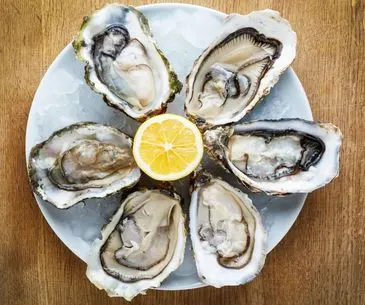
Brittany produces some of the finest oysters in the world, and if you visit without eating them, I will be professionally disappointed.
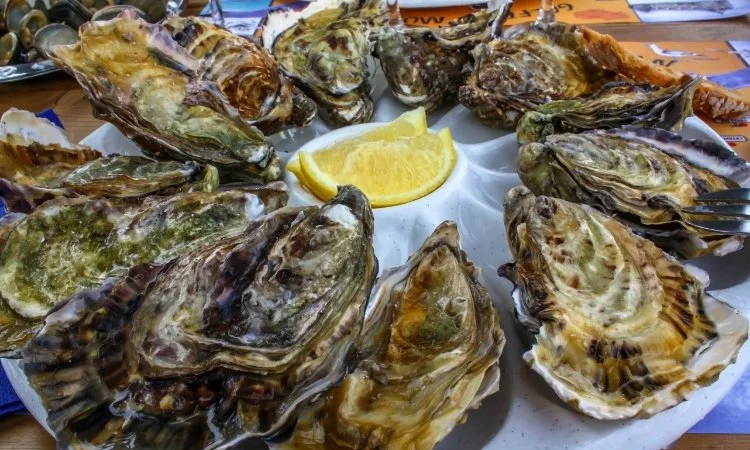 Cancale oysters at the market, eaten standing up overlooking the bay with a glass of Muscadet
The most famous come from Cancale, the fishing village twenty minutes east of Saint-Malo where the oyster beds stretch across the bay in neat rows visible from the shoreline. Cancale oysters benefit from the extraordinary tidal range of the Bay of Mont-Saint-Michel, which forces the oysters to work constantly, filtering enormous volumes of cold, clean Atlantic water. The result is an oyster of exceptional flavor, clean and briny, with a mineral finish that tastes precisely of where it came from.
The market at Cancale is one of my favorite stops on any Saint-Malo day. You buy directly from the oyster farmers, they open them on the spot, and you eat them standing up at a wooden counter overlooking the bay with a glass of Muscadet. There is no table, no service, no ceremony. There is just the oyster, the wine, and the view.
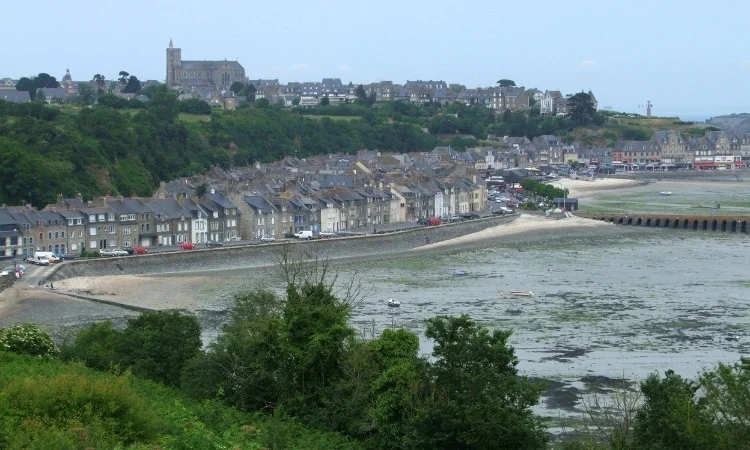 Cancale bay, where the finest oysters in Brittany meet the open sea
The Gulf of Morbihan in southern Brittany produces oysters with a slightly different character: rounder, creamier, with a sweetness that reflects the warmer, more sheltered waters of the gulf. Both are excellent. They are simply different, in the way that a Bordeaux and a Burgundy are different expressions of the same fundamental idea.
Scallops: The Queen of the Bay
Coquilles Saint-Jacques from Brittany are in season from October to April, and if you are visiting during those months, ordering them is non-negotiable.
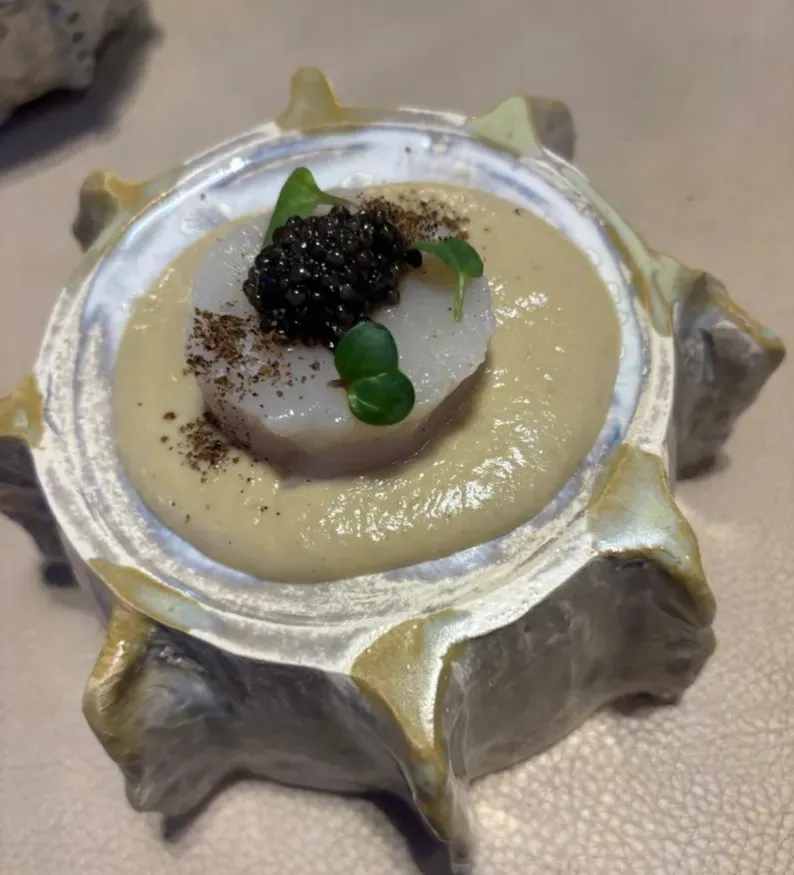 Coquilles Saint-Jacques at their most refined, at La Mare aux Oiseaux in the Grande Briere
The Bay of Saint-Brieuc, on the north Breton coast, is one of the most important scallop fisheries in Europe, and the scallops fished there are large, sweet, and firm in a way that scallops from other regions rarely match. At their simplest, served in the shell with salted butter, a splash of dry cider, and a handful of breadcrumbs, they are perfect. At their most refined, at a restaurant like Les Jardins Sauvages in La Gacilly, they arrive as something closer to a painting.
Salted Butter: The Non-Negotiable
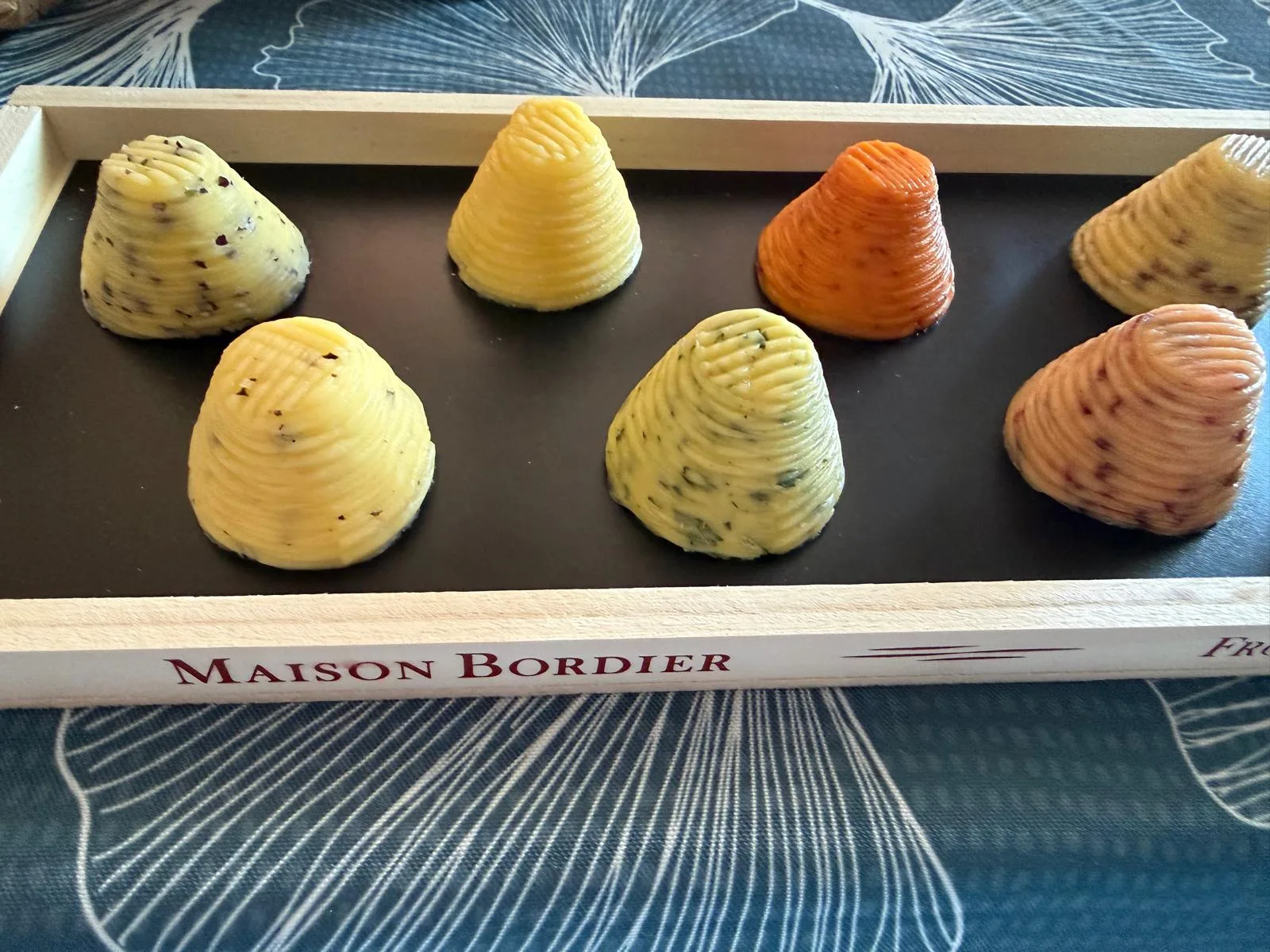
Breton salted butter is not a regional quirk. It is a fundamental ingredient, and eating it for the first time on a piece of fresh baguette is a genuinely revelatory experience for most visitors.
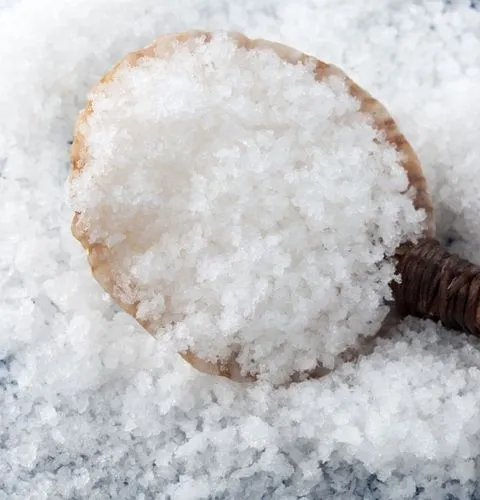
The salt used is fleur de sel de Guerande, the hand-harvested sea salt from the marshes of the Guerande peninsula. It is among the finest salt in the world, delicate, mineral, and completely unlike the industrial table salt that butter is salted with everywhere else. Combined with the exceptionally rich butter produced from the milk of Breton cattle on the lush coastal pastures, it creates something that bears almost no resemblance to what the rest of the world calls salted butter.
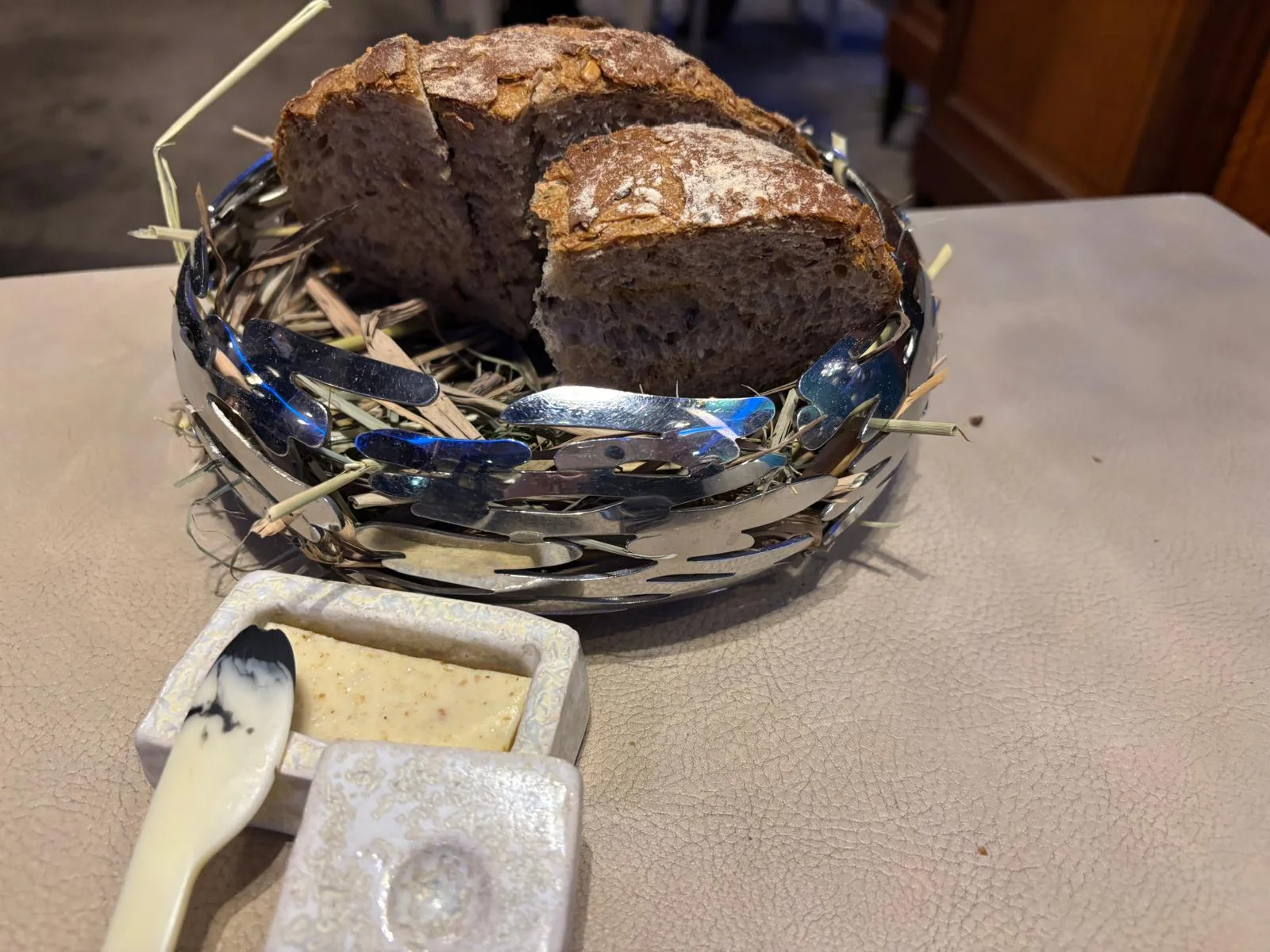
Every restaurant in Brittany puts a pot of it on the table before you order. My strong advice: resist nothing.
Kouign-Amann: The Pastry That Ruined All Other Pastries
Kouign-amann (pronounced roughly KWEEN ah-MAHN, and yes, that is Breton, not French) was invented in Douarnenez in 1860 by a baker who had run out of bread dough and improvised with what he had: a laminated pastry dough, layered with salted butter and sugar, baked until the outside caramelizes into a brittle, salty-sweet crust and the inside remains soft and yielding.
It is very simple. It is also, once eaten, impossible to forget.
I also want to mention the far Breton, the dense, eggy custard cake studded with prunes that is a staple of Breton home cooking and one of the most comforting things you will eat on a cold morning in October. Less celebrated than the kouign-amann, more beloved by the Bretons themselves.
Cider and Chouchen: What to Drink
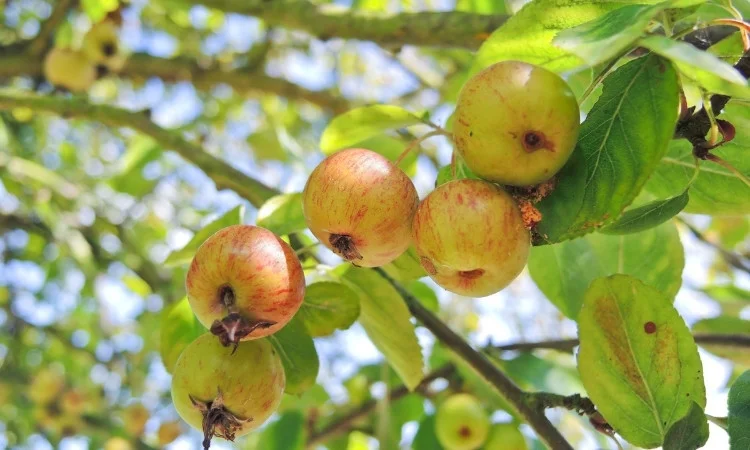
Brittany is not wine country. There are no vineyards. The climate and soil produce apples instead, and the Bretons have been making cider from them for centuries.
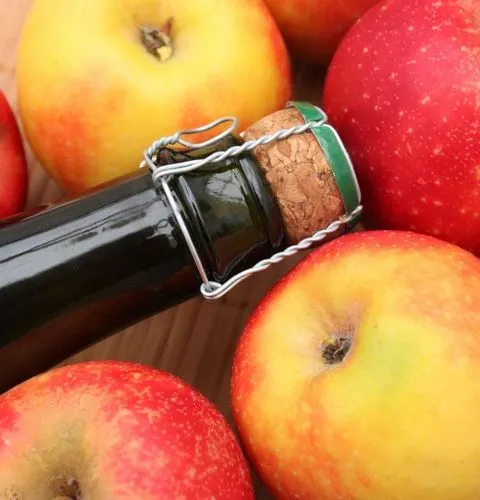 Apple orchards, the raw material of Brittany’s finest cider
Breton cider is drier and more complex than the sweet ciders common in much of the world. The best artisanal examples, produced by small-scale orchardists using traditional varieties, are genuinely excellent drinks that pair beautifully with galettes, oysters, and charcuterie. When offered cider in a traditional Breton restaurant, accept. It will almost certainly be the right choice.
Chouchen is the other Breton drink worth knowing: a mead made from honey and water, often with a touch of apple juice. It is ancient, it is local, and it is served cold as an aperitif or alongside a plate of local cheeses. The flavor is somewhere between white wine and apple juice, with a floral honey quality that is entirely its own.
Markets: Where Breton Food Actually Lives
The best way to understand Breton food culture is to spend a morning at a market.
Not the tourist market near the port, where the produce is fine but the audience is largely on holiday. The real market: the Saturday morning market in Guerande, or the weekly market in Dinan, or the covered market in Rennes, where local farmers, fishmongers, cheese makers, and charcutiers set up side by side and the exchanges between buyers and sellers have the easy familiarity of people who have known each other for years.
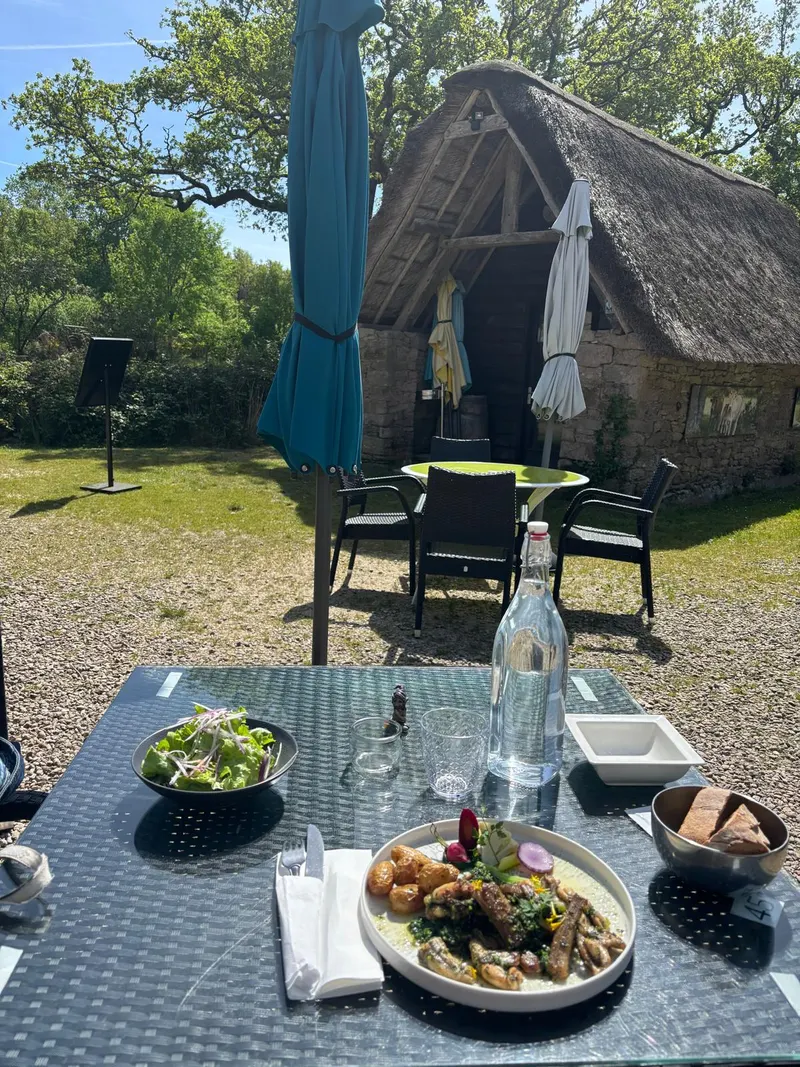 Seasonal local ingredients at the Auberge de Kerhinet, in the heart of the Grande Briere
At a Breton market you find buckwheat flour from local farms, fresh crab and spider crab, smoked fish, local cheeses including the mild Timanoix washed with walnut liqueur, Breton honey in a dozen varieties, andouille de Guemene (the powerful smoked tripe sausage that divides opinion and demands respect), and vegetables grown in the Ceinture Doree, the fertile coastal strip of northern Finistere that produces some of the finest artichokes, cauliflowers, and onions in France.
I build market visits into almost every full-day tour I lead in Brittany. They are, in my experience, among the most memorable parts of the day.
Gastronomic Tours with BELLIDAYS
Food is one of the most direct ways to understand a place. A meal in the right restaurant, a conversation with the right fisherman, a morning at the right market, tells you more about Brittany than a week of sightseeing.
I offer gastronomic circuits that combine market visits, tastings at oyster farms, stops at artisan producers, and lunch or dinner at restaurants that I know and trust, across Brittany, Normandy, and the Loire Valley. Every itinerary is built around your tastes and your pace.
I can also recommend and book cooking classes focused on galettes and traditional Breton pastry, food tours of the markets of Rennes or Saint-Malo, and private visits to artisan producers including salt farmers in Guerande and cider makers in the interior.
Contact us to plan your Breton food journey →
Frequently Asked Questions
What is Brittany famous for food?
Brittany is famous above all for its oysters from Cancale and the Gulf of Morbihan, its buckwheat galettes, its salted butter made with fleur de sel de Guerande, the kouign-amann pastry, and its artisanal cider. It is also one of France’s most important fishing regions, with exceptional scallops, lobster, crab, and sea bass.
What is the difference between a galette and a crepe?
A galette is made from buckwheat flour and is savory, served with fillings like ham, egg, and cheese. A crepe is made from wheat flour and is sweet, served with butter, sugar, honey, or caramel. In Brittany, the two are distinct and ordered separately: galette as a main course, crepe as dessert.
Is Breton food expensive?
Not at all. A complete galette with cider at a traditional Breton creperie typically costs between 10 and 15 euros. Oysters at the Cancale market are around 8 to 10 euros per dozen. The most refined gastronomic experiences are in a different price bracket, but everyday Breton food is excellent value by French standards.
What should I drink with Breton food?
Dry Breton cider with galettes and seafood. Muscadet white wine with oysters. Chouchen as an aperitif. Local craft beers from the growing Breton microbrewery scene are also worth exploring.
Can I visit a Breton market on a private tour?
Yes, and I strongly recommend it. Market visits are one of the highlights I build into Brittany food tours, and the combination of a market morning with an oyster tasting in Cancale and lunch at a traditional creperie is one of the most enjoyable days I offer.
What is kouign-amann?
A Breton pastry made from laminated dough, salted butter, and sugar, baked until caramelized. It was invented in Douarnenez in 1860 and remains one of the most distinctive and beloved pastries in France. Available in virtually every Breton bakery. Non-negotiable.
Article written by Belinda C., licensed private chauffeur-guide and founder of BELLIDAYS Travel Tours. Specialising in private gastronomic and cultural tours across Brittany, Normandy and the Loire Valley for international travellers. bellidays.com