

The U-boat pens of Lorient, the German fortress facing Saint-Malo, the 69 Resistance fighters of Port-Louis and the Brittany American Cemetery. A licensed guide's account of the WWII sites in Brittany, and what visitors ask her there.
Most travelers who care about the Second World War go straight to Normandy, and I understand why. But some of the war’s most striking places are a few hours further west, here in Brittany, and they are far quieter.
The questions I hear at these sites are often the same. So rather than a list of dates, here is what my clients actually ask me, and what I show them.
Lorient: The Keroman U-Boat Base
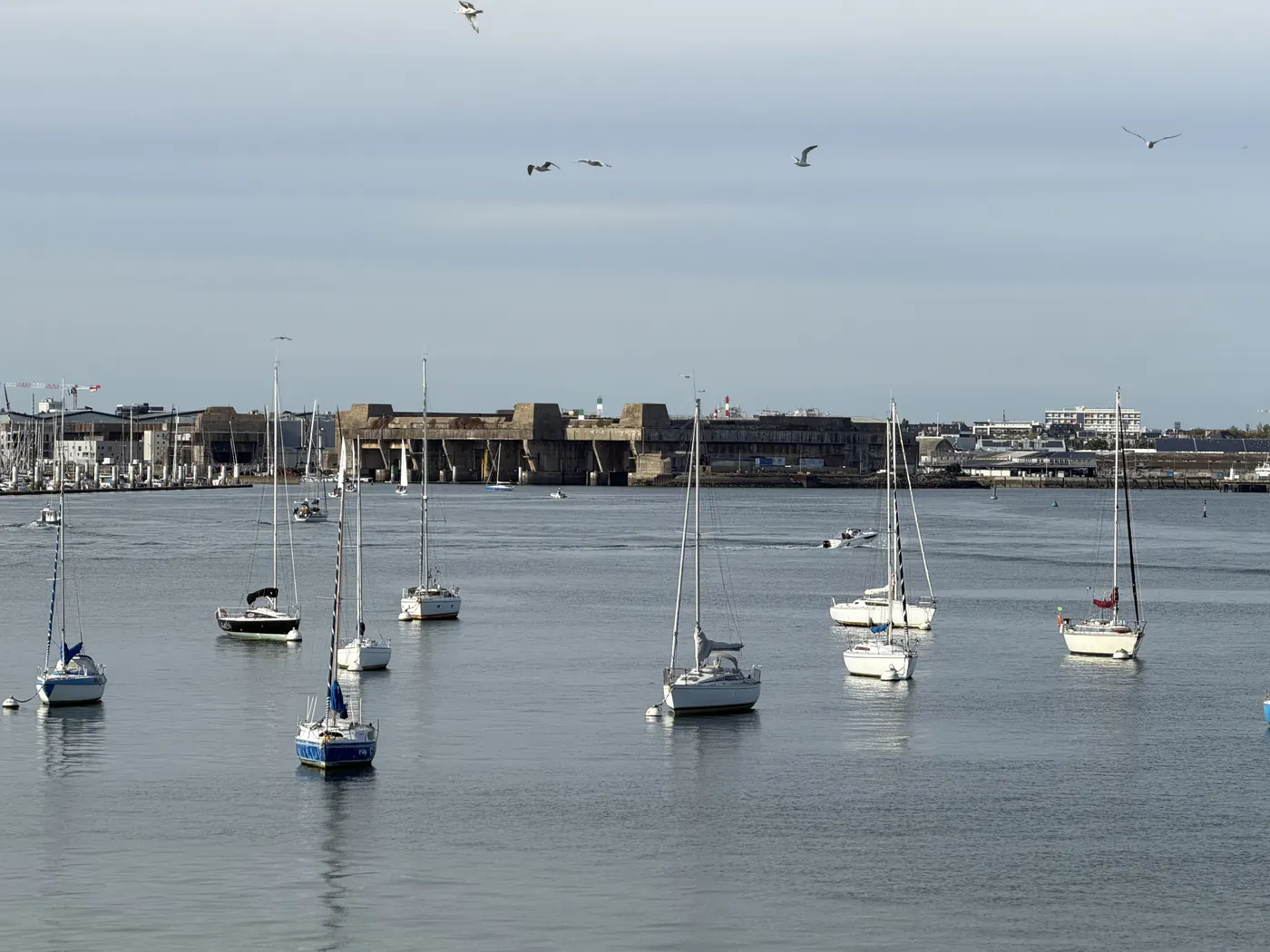
Standing in front of the Keroman submarine base, the first question comes almost every time: how many submarines could shelter here?
The answer is about thirty, under cover. The Germans built the base between 1941 and 1943 through the Organisation Todt, in three huge concrete blockhouses known as Keroman I, II and III. A fourth, designed for another twenty-four submarines, was started and never finished. Between 15,000 and 20,000 laborers worked on the site, among them exiled Spanish Republicans who had been forced into it. When Allied bombers struck on 21 October 1942, 48 of those workers were killed. A small memorial to them still stands at the base.
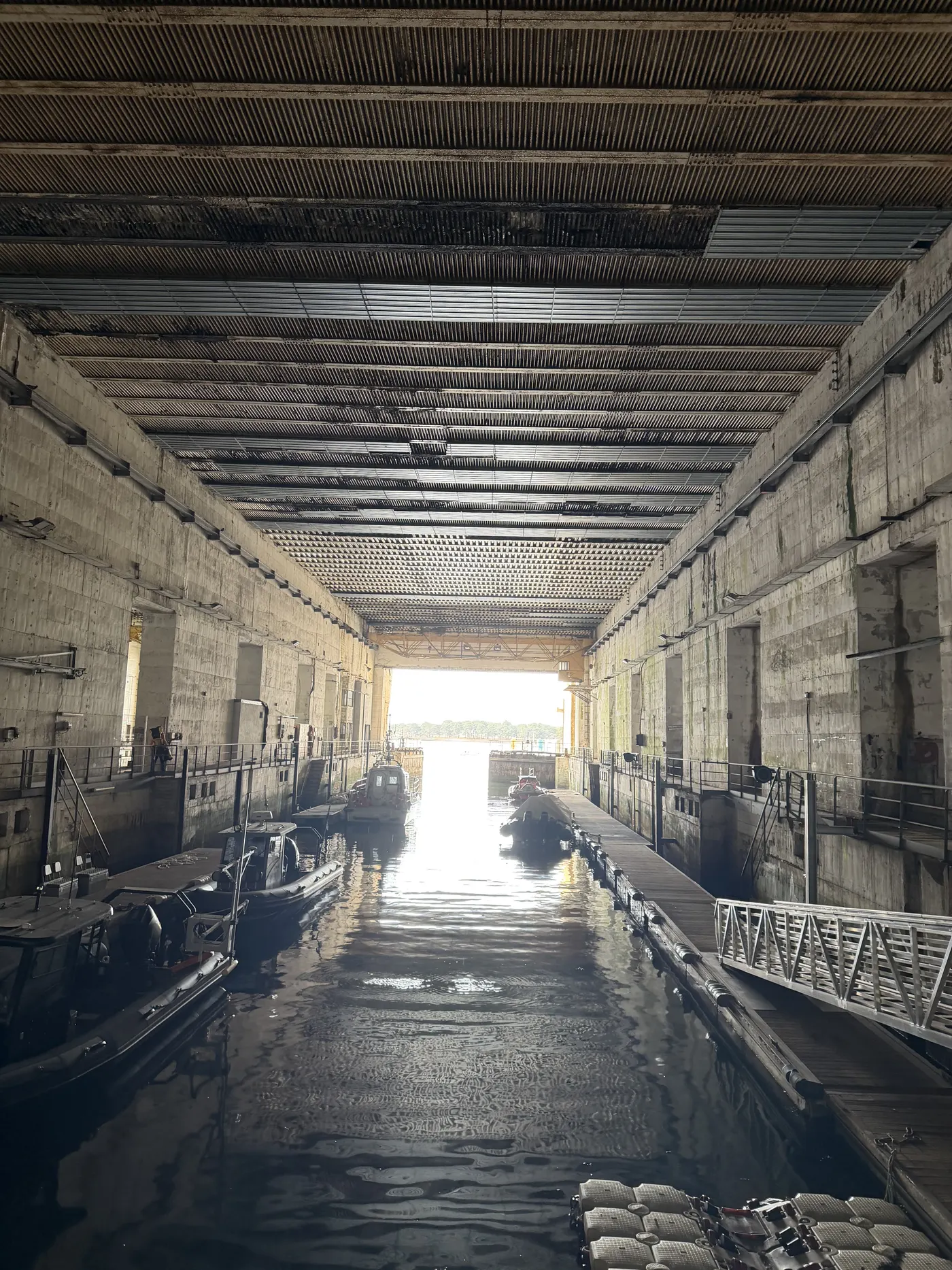
Right after that comes the question of the dry docks: could they lift the U-boats out of the water and repair them, safe from the bombs? Yes. A lift raised each boat out of the harbor, and it was then moved under the concrete into a protected bay. This is what made Lorient so valuable to the German navy. When you stand under that roof, you understand why the bombs never managed to destroy it.
Kernével: Where the History Becomes Real
Then I show them something across the harbor. At Kernével, on the other side, stands the villa where Admiral Dönitz set up his headquarters for the Battle of the Atlantic. It is still there, visible from the coast, and this is often the moment when the story stops being a chapter in a book and becomes a real place.
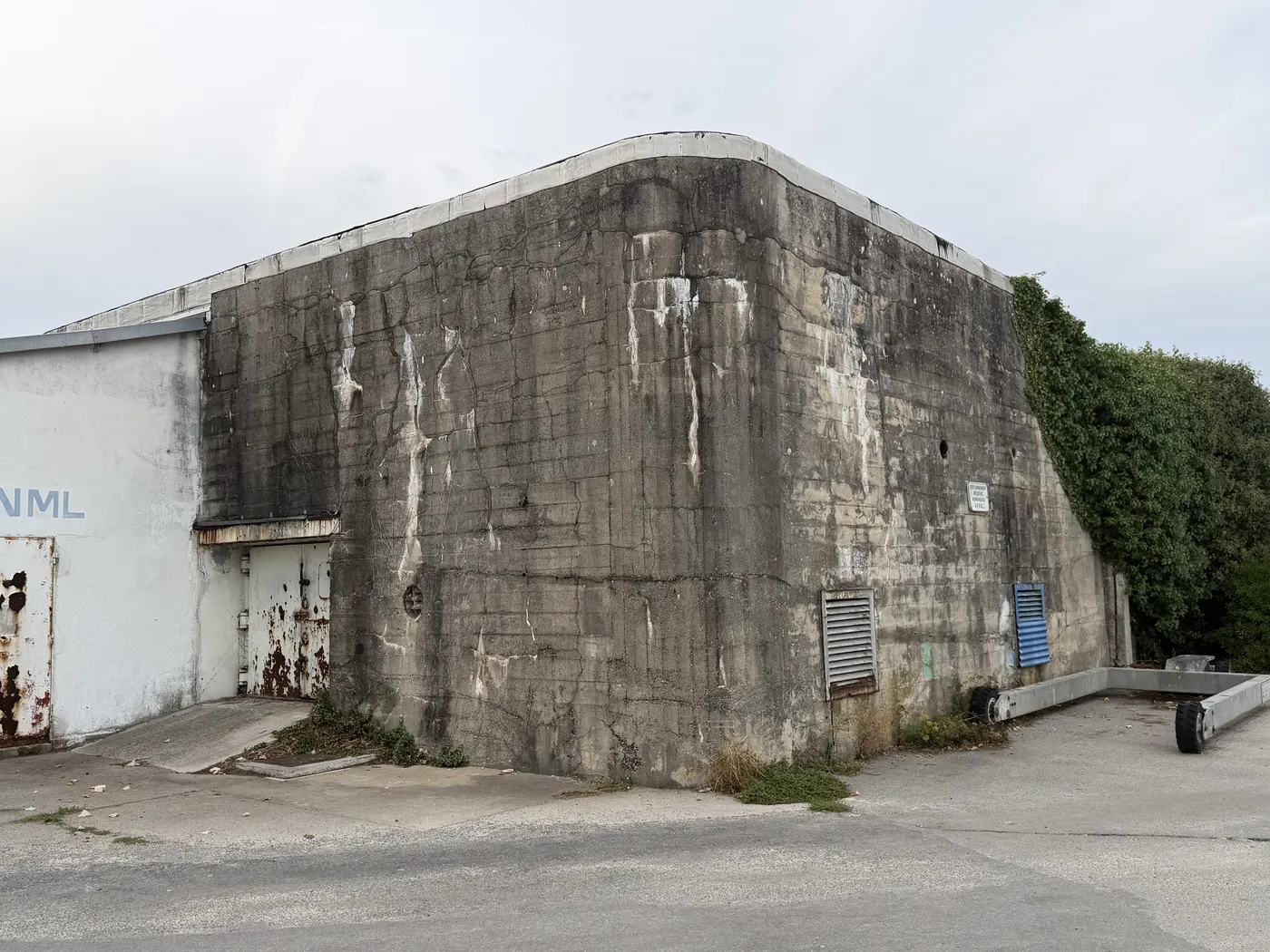
Kernével is also full of bunkers hiding in plain sight, some of them now painted with murals and used by local fishing associations. Life simply moved back in around them.
Port-Louis: The 69 Resistance Fighters
Facing Lorient, across the same water, the citadel of Port-Louis holds one of the most moving places in the region, and very few visitors know about it.
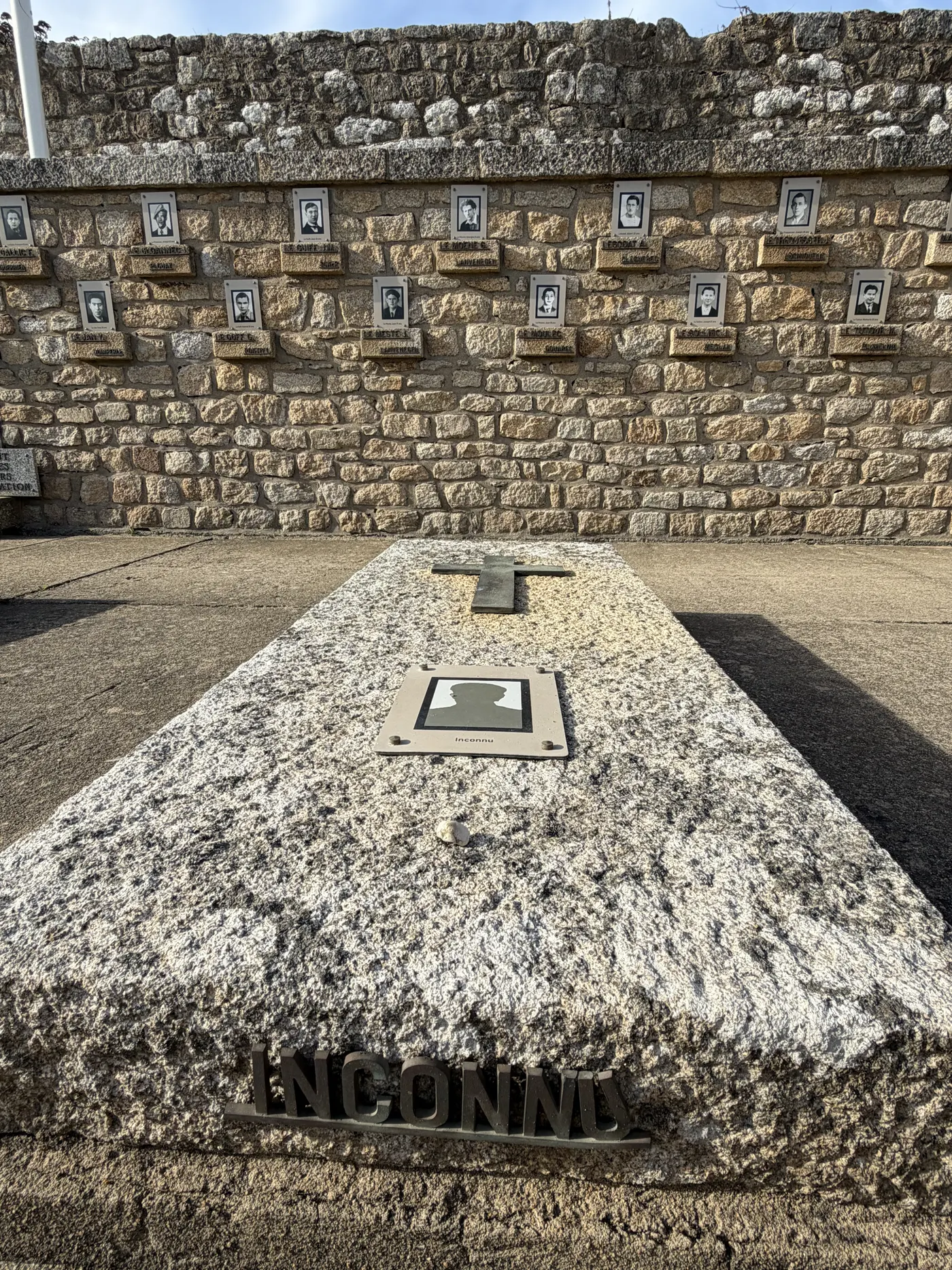
In May 1945, after the liberation, the bodies of 69 young Resistance fighters were discovered in a mass grave near the entrance to the citadel. They had been shot by the Germans in 1944. Their families had often been told nothing. Today, the memorial stands on that spot, and their photographs look out at you from the granite wall, each one with a name and a home village. Some of the graves stayed anonymous for decades: four more of these men were identified as recently as 2020 and 2021.
Saint-Malo: The Fortress Nobody Expects
In Saint-Malo, the surprise is of another kind. When we talk about the war, my visitors immediately think of the walled city, its ramparts and its granite streets. Most of them do not know that it was almost entirely rebuilt after 1944.
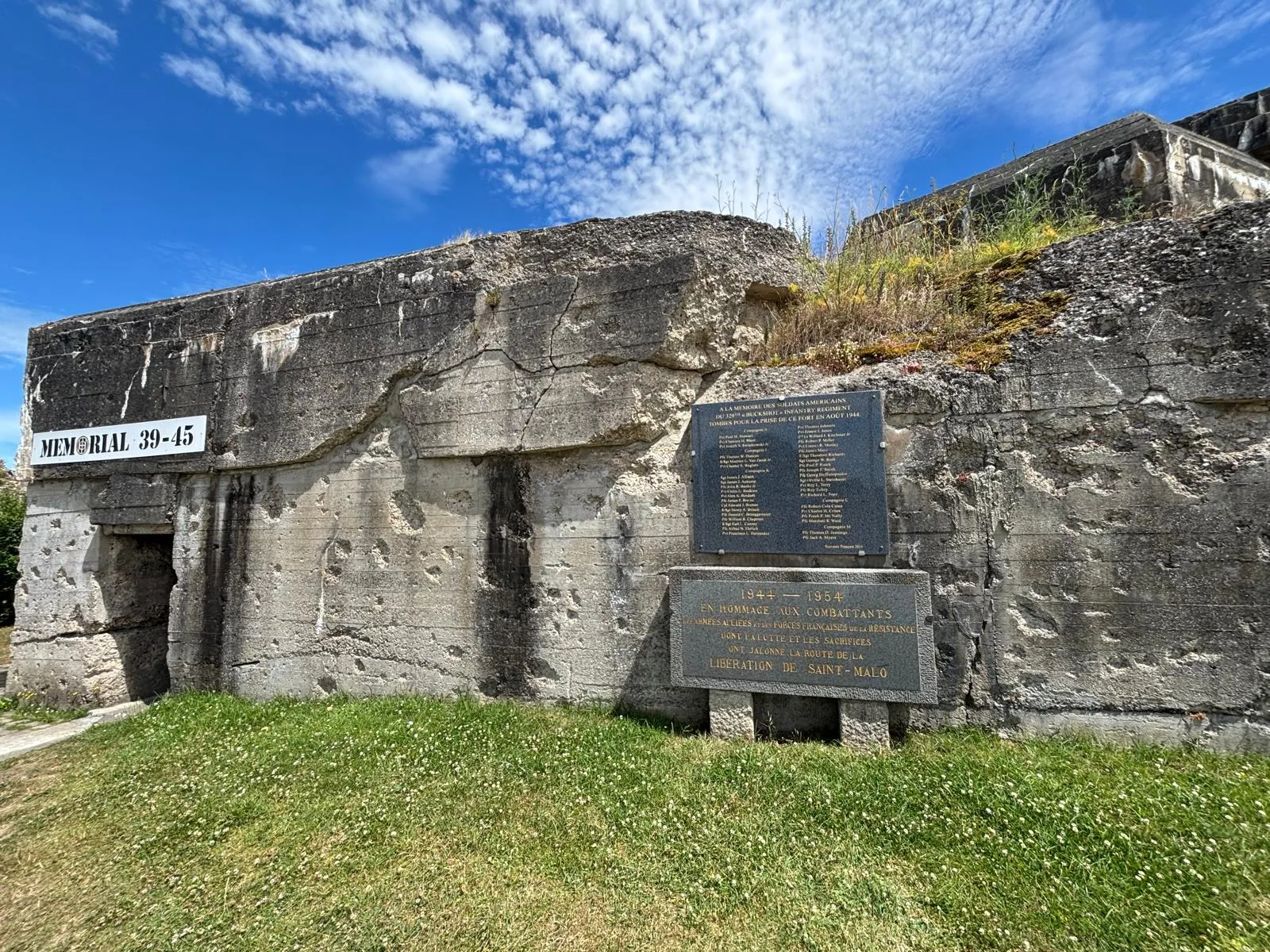
So when we arrive at the Cité d’Alet, they discover a German defensive position on a scale they never imagined, dug into the rock, directly opposite the city they thought was untouched. The American 83rd Infantry Division fought through this siege in August 1944, and the Cité d’Alet held out until the 17th. The Cité stands at Saint-Servan, about 10 minutes by car from the walled city.
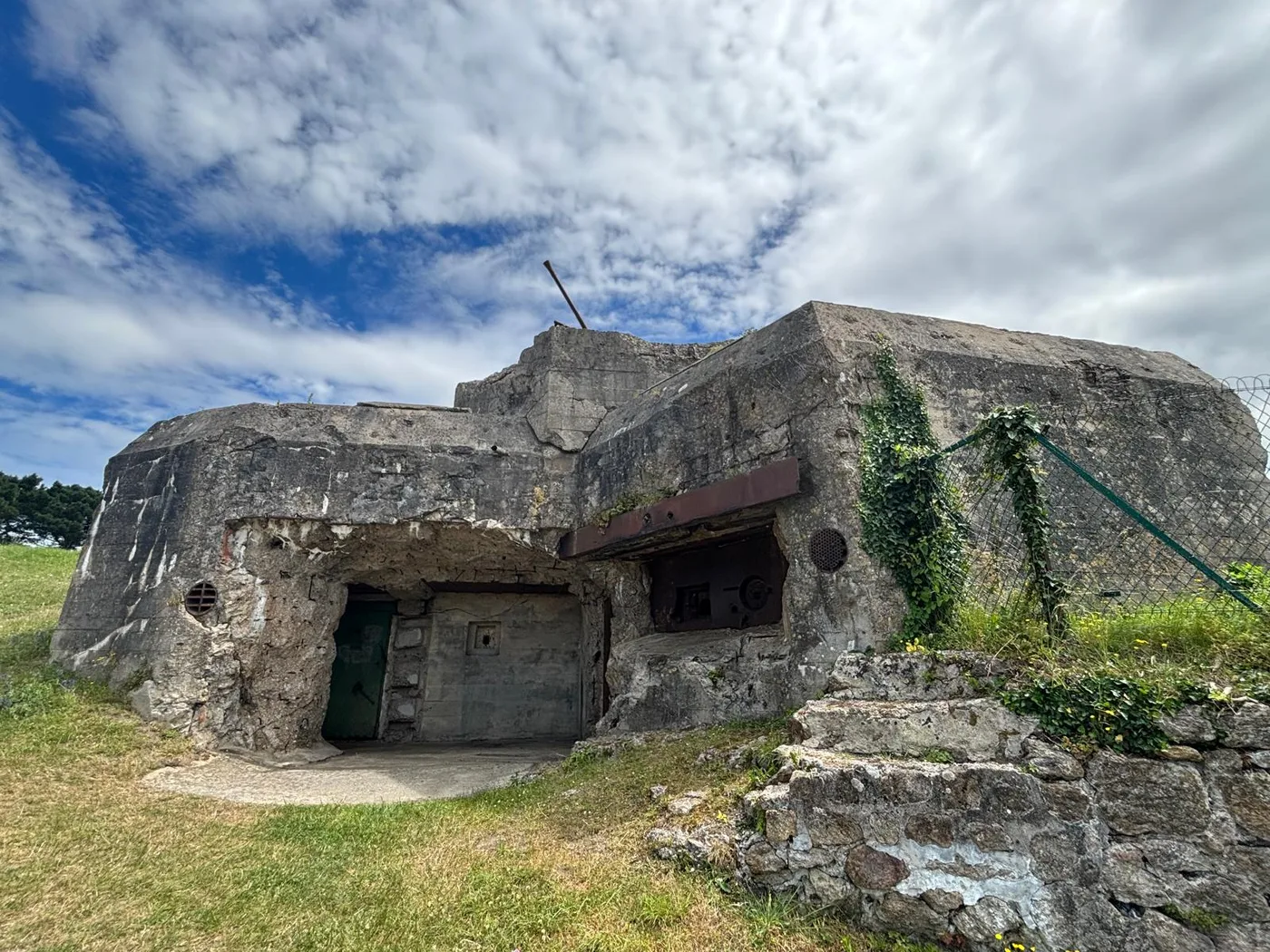
The exterior is open to everyone. The inside of the Memorial 39-45 is managed by the town of Saint-Malo and can only be visited by reservation, so plan ahead. If you want the whole story, I have written about Saint-Malo in WWII and the real history behind All the Light We Cannot See.
The Brittany American Cemetery: Where Nobody Speaks
The Brittany American Cemetery lies at Saint-James, just over the Norman border, and 4,410 Americans rest there, most of them killed in the Normandy and Brittany campaigns of 1944. A further 498 missing are named on the wall of the memorial.
There is a moment there when nobody speaks anymore. The rows of white crosses do their work.
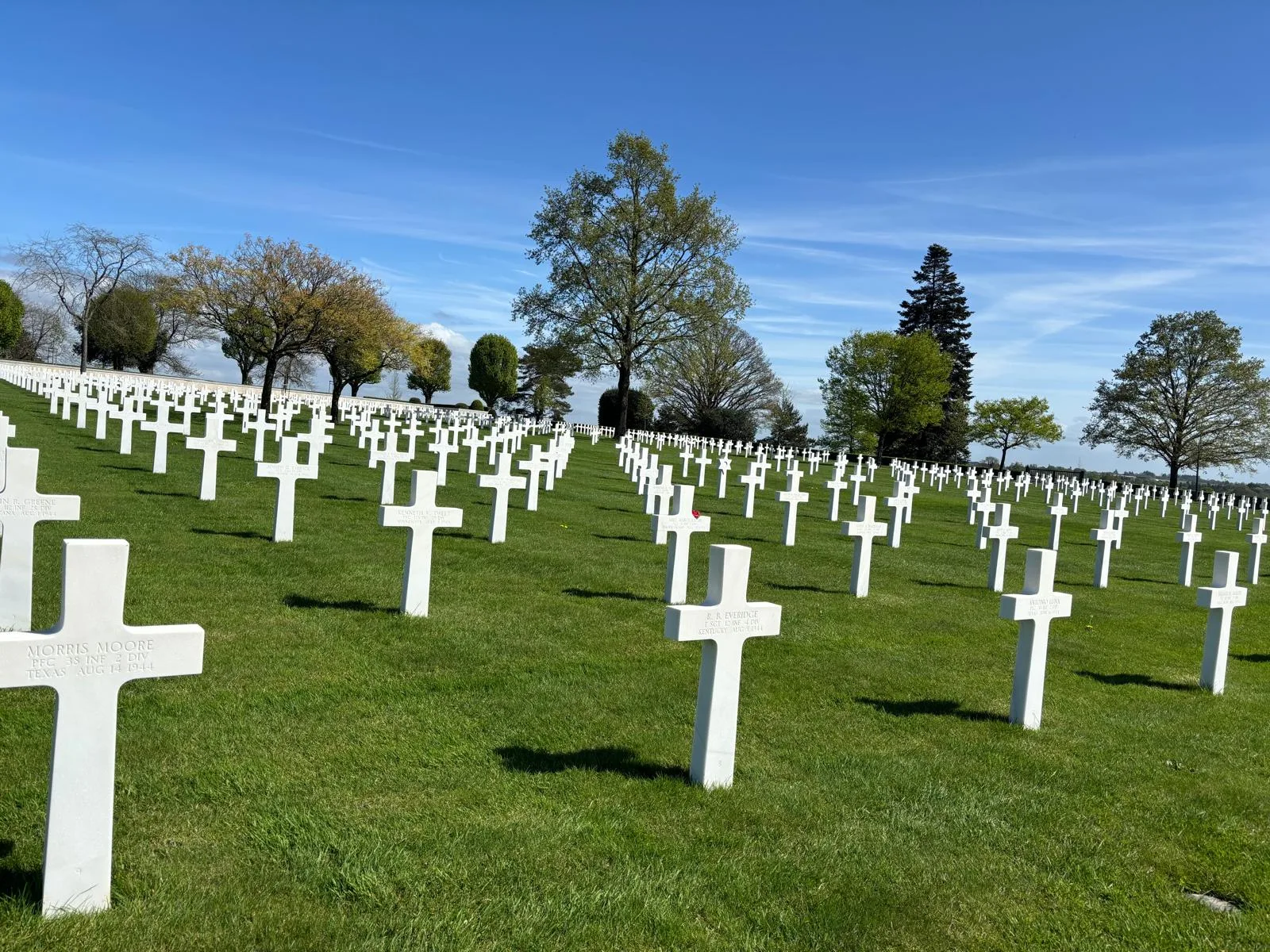
When I see a client overcome with emotion, I simply say this: the soldiers who rest here would love to see you smile, because it is for your happiness that they gave their lives.
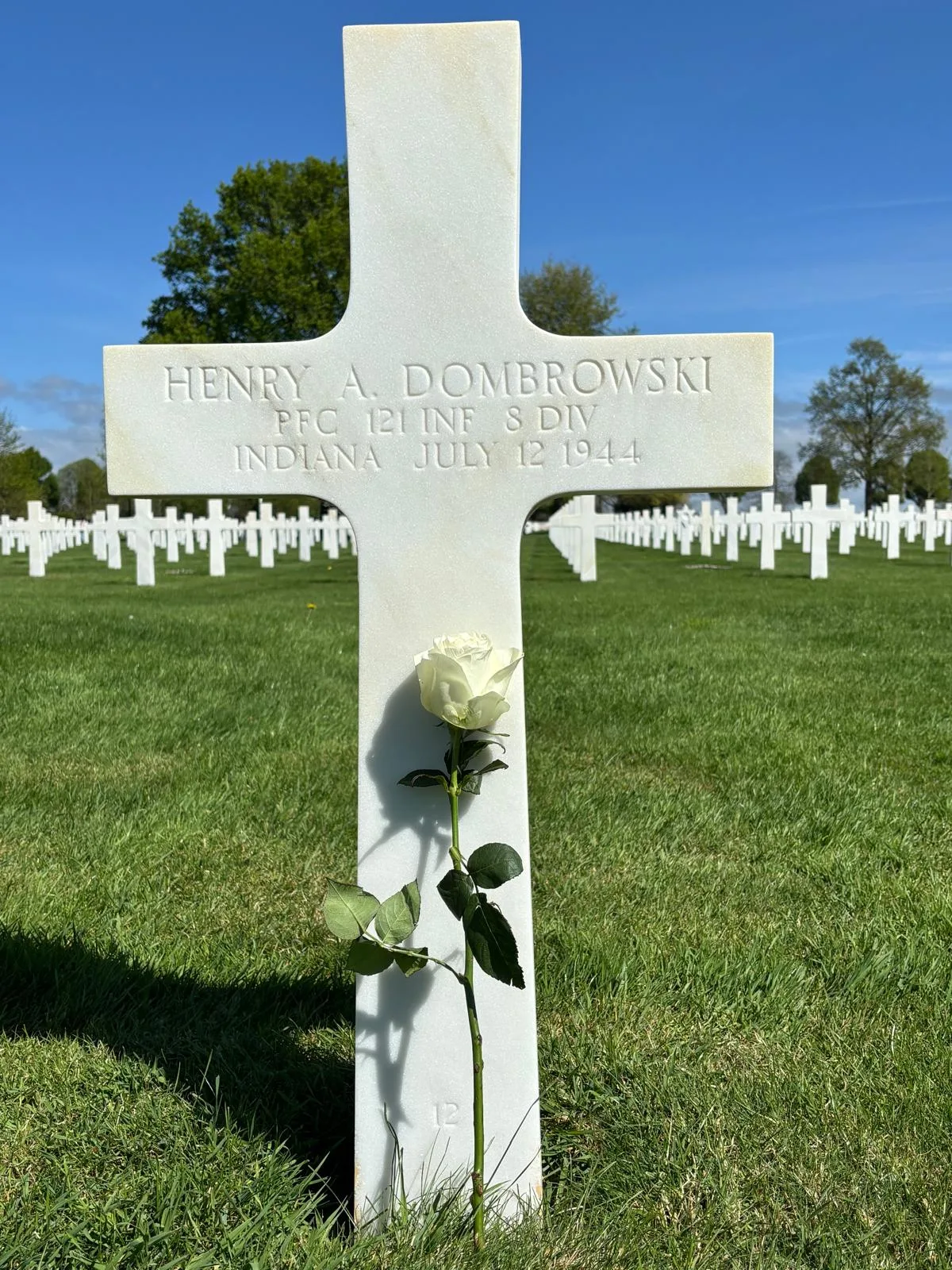
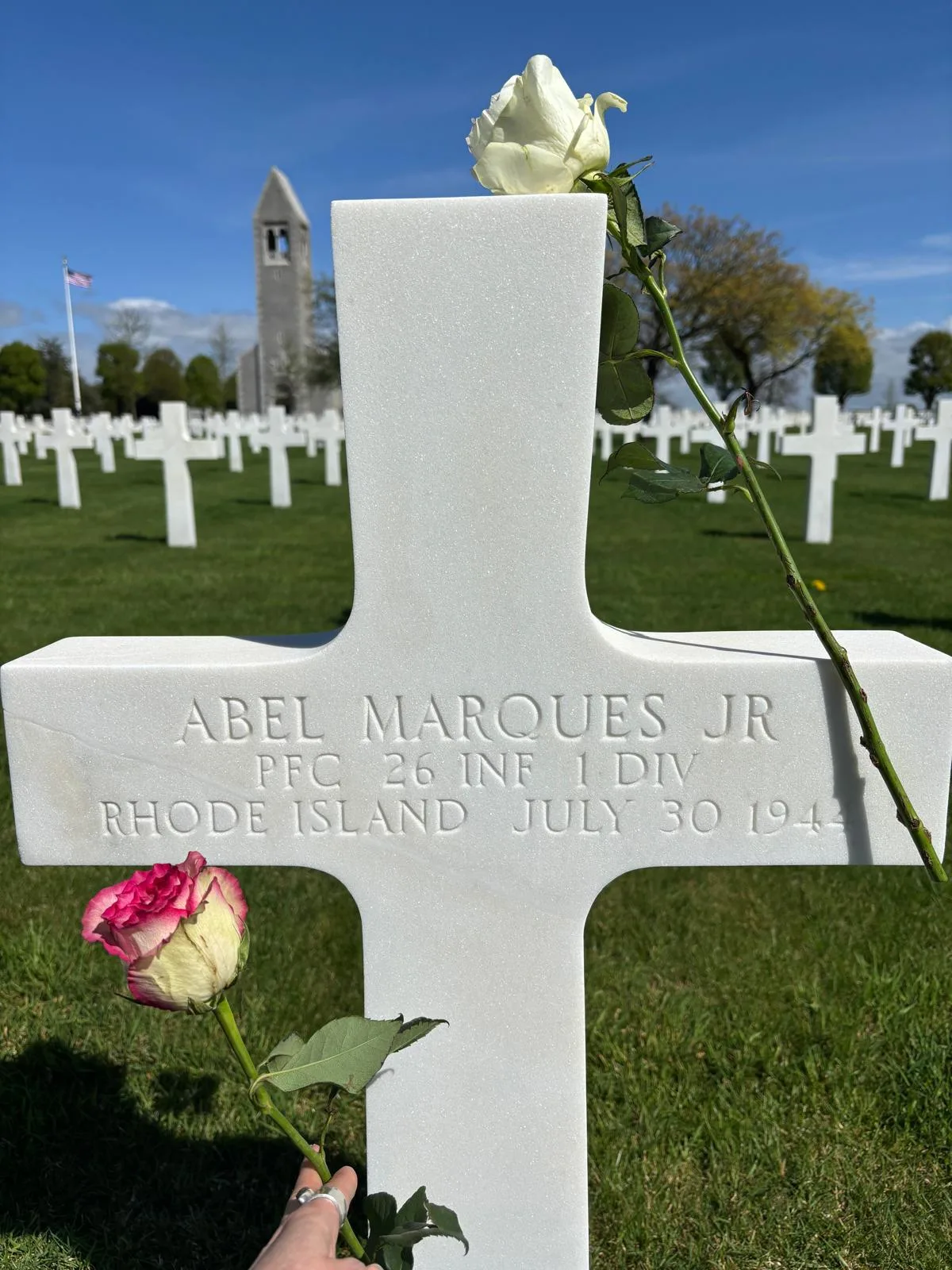
Behind each of those crosses is a family. You can read the stories of the Dombrowski brothers and of Abel Marques Jr, two of the many stories held here.
Saint-Nazaire and Batz-sur-Mer: The Last Pocket
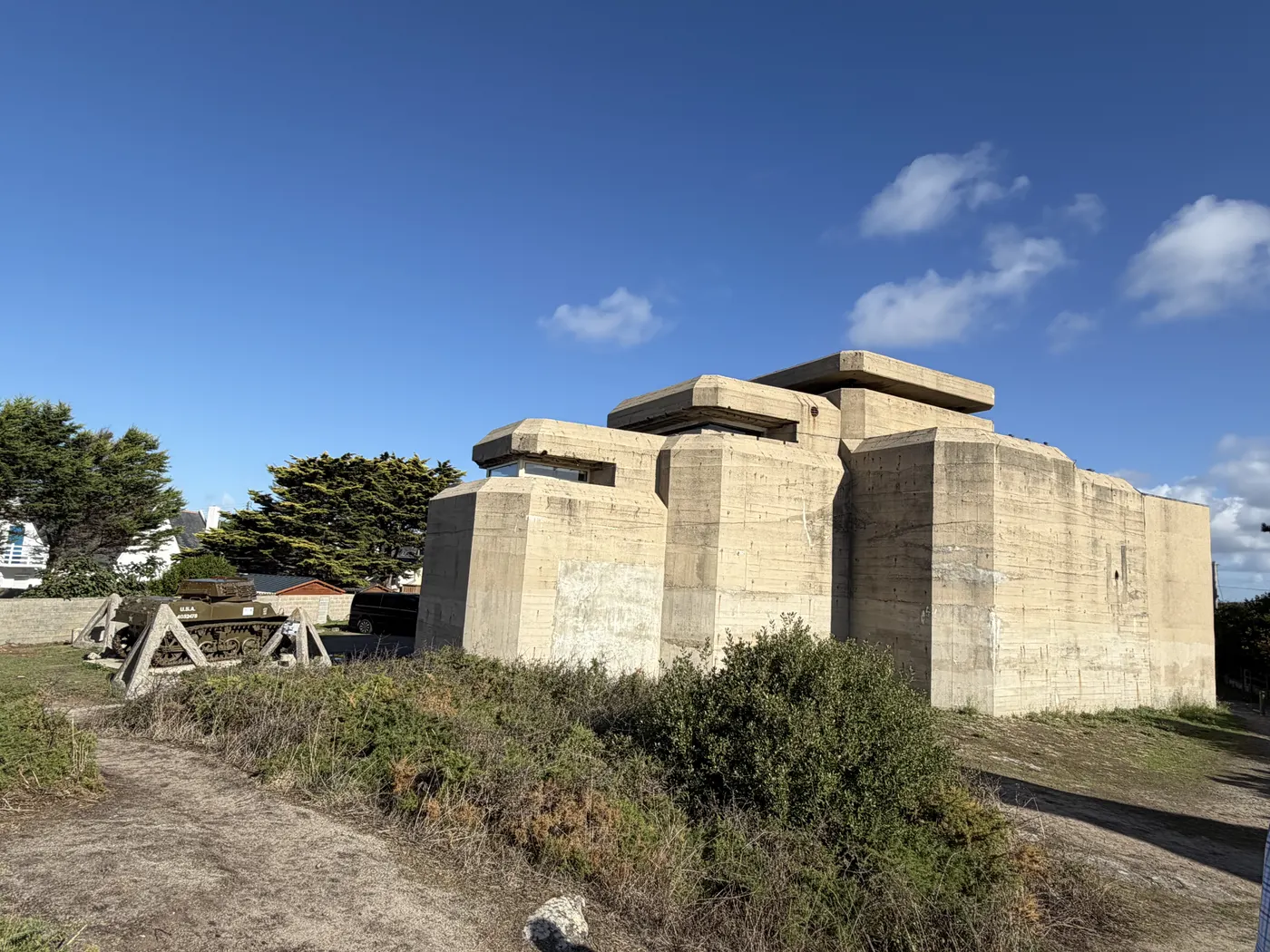
Further south, the war in France ended last of all. German forces held the Saint-Nazaire pocket until 11 May 1945, days after the surrender in Berlin. You can see the U-boat base there, the gun of HMS Campbeltown, the destroyer that rammed the dock gate during the 1942 commando raid, and the Grand Blockhaus at Batz-sur-Mer, an incredible museum inside a German command post. Be aware that the bunker has stairs and is not suited to reduced mobility.
Planning Your Visit
These places are spread out, and a few of them need booking or depend on opening times, which is where a local driver-guide earns her place. I build the route around what matters to you, whether that is a family name at Saint-James, the U-boat war, or the Resistance.
- WWII tour in Brittany: a private tour of the main sites, built around your interests
- WWII submarine base shore excursion from Lorient: if you are arriving by cruise ship
- Shore excursions from Saint-Nazaire: for the U-boat base and the Grand Blockhaus
Contact me to plan your WWII journey through Brittany
Frequently Asked Questions
What are the main WWII sites in Brittany?
The Keroman submarine base in Lorient, the Port-Louis memorial to the Resistance, the Cité d’Alet in Saint-Malo, the Brittany American Cemetery at Saint-James, and in the south, the Saint-Nazaire base and the Grand Blockhaus at Batz-sur-Mer.
How many submarines could the Lorient base hold?
About thirty under cover, across the three main Keroman blockhouses. A fourth blockhouse for another twenty-four was begun and never completed.
Can I visit the inside of the Memorial 39-45 in Saint-Malo?
Only by reservation, as it is managed by the town of Saint-Malo. The German fortifications of the Cité d’Alet around it can be explored from the outside at any time.
Where is the Brittany American Cemetery?
At Saint-James, in the Manche department of Normandy, right on the border with Brittany and near Mont-Saint-Michel.